


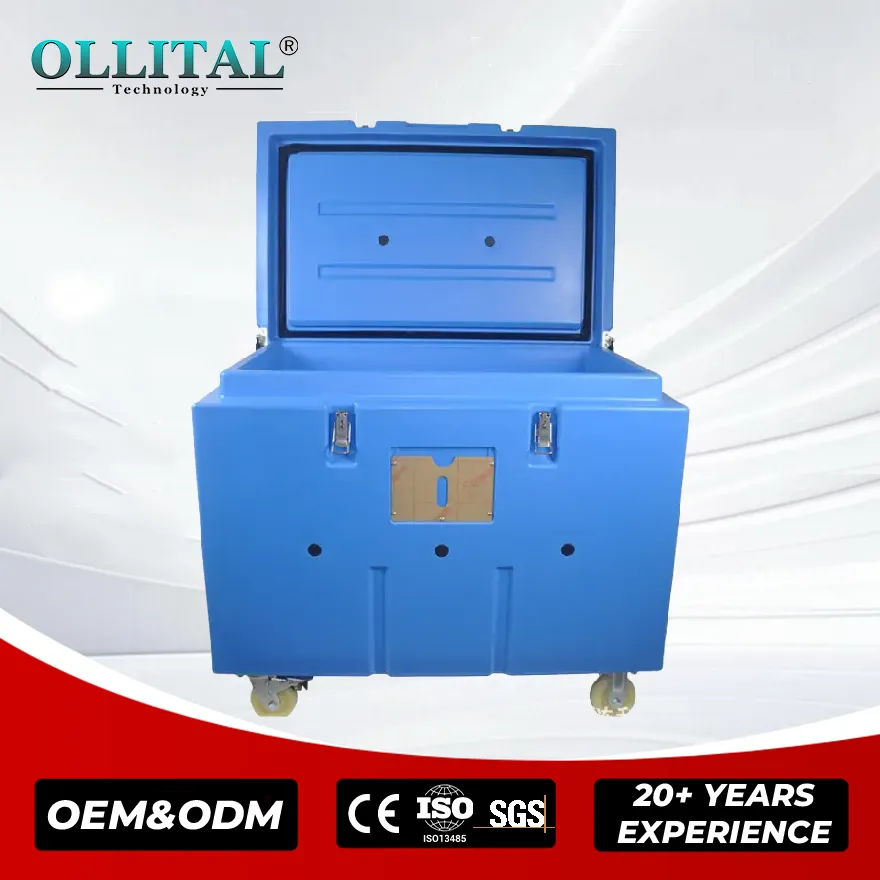
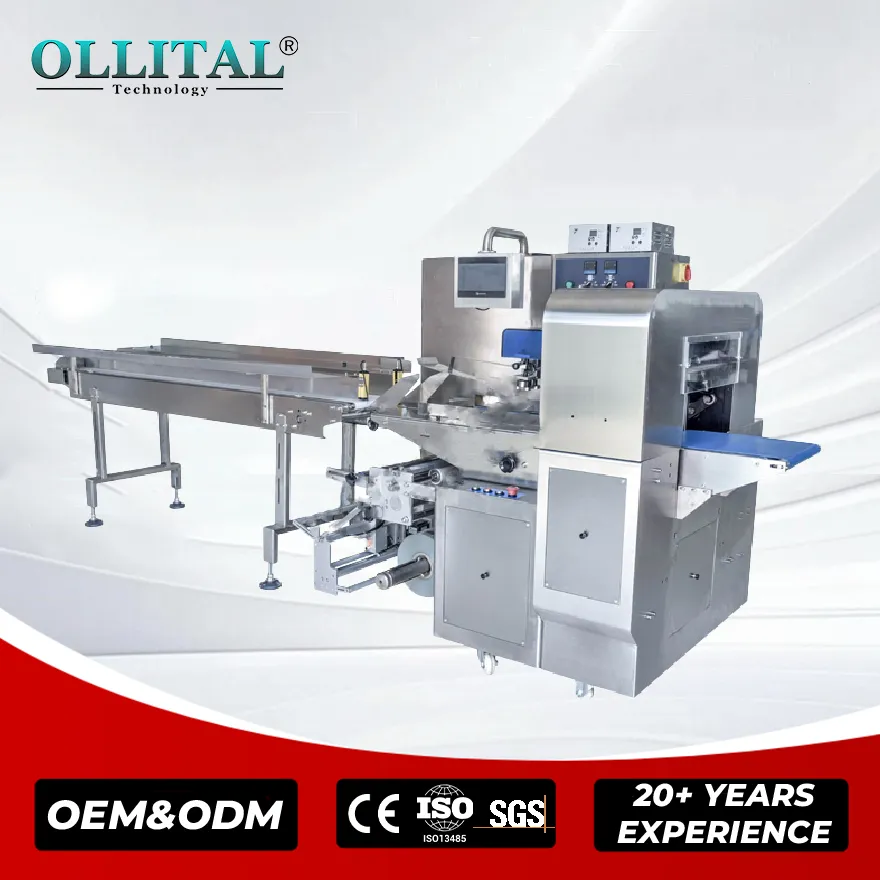
Whether you’re in the food processing, pharmaceutical, logistics, or industrial cleaning industry, chances are you’ve encountered the growing demand for dry ice. But where does all that clean, high-density dry ice come from? The answer lies in a critical piece of equipment: the dry ice production machine. In this guide, we’ll break down everything you need to know about this essential tool—from how it works, to its different types, pricing, applications, and how to choose the right one for your needs.
What is a Dry Ice Production Machine?
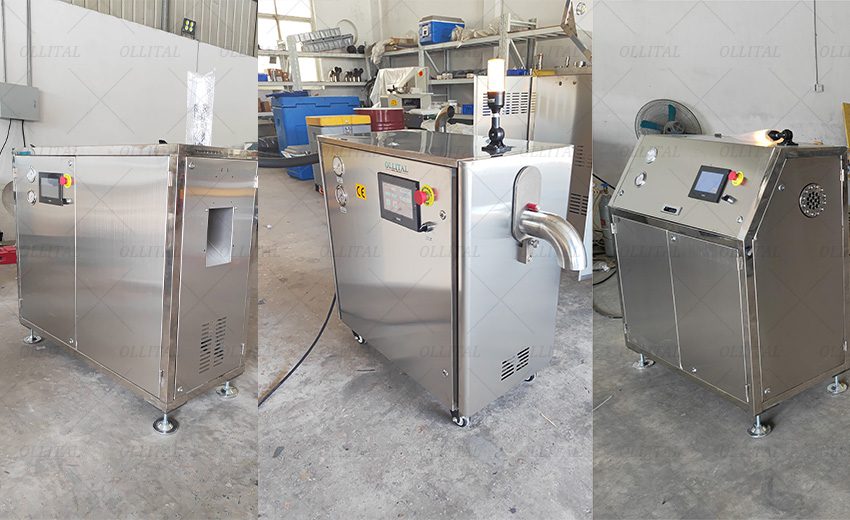
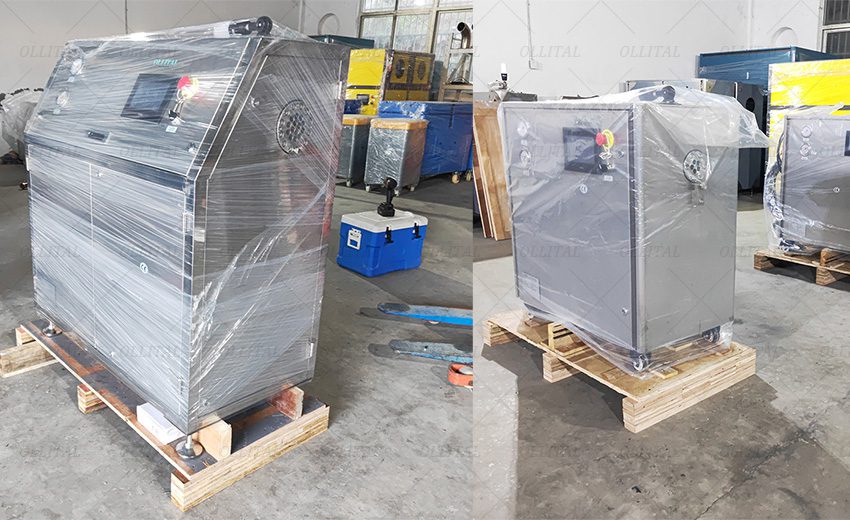
A dry ice production machine, also known as a dry ice maker or CO2 to dry ice production machine, is a device that converts liquefied carbon dioxide (CO2) into solid dry ice. This conversion happens via a process called sublimation, where CO2 gas is rapidly expanded, cooled, and compressed into a solid state—either in the form of pellets, blocks, or slices.
These machines are widely used in industries where dry ice is needed on-demand for shipping, cleaning, cooling, or preservation. Having your own dry ice production equipment can dramatically reduce cost, improve operational efficiency, and ensure consistent dry ice quality.
How Does a Dry Ice Production Machine Work?
At its core, a dry ice manufacturing machine works by injecting liquid CO2 into a pressurized chamber. Here’s a simplified breakdown:
Liquid CO2 Storage
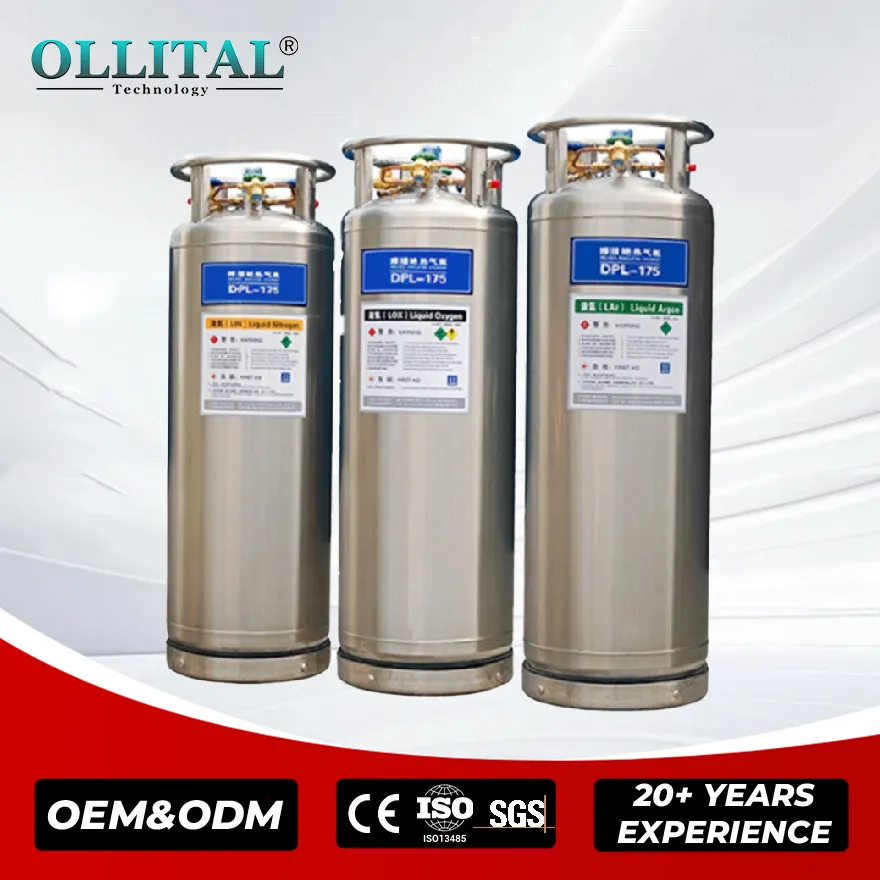
CO2 is stored in a pressurized tank at around -20°C and 20 bar pressure.Expansion & Solidification
The liquid CO2 is released into an expansion chamber where pressure drops dramatically. As a result, about 45% of the CO2 instantly solidifies into snow.Compression
This CO2 snow is then compressed by a hydraulic piston into dense dry ice forms—pellets, blocks, or slices—depending on the mold or die used.Output & Collection
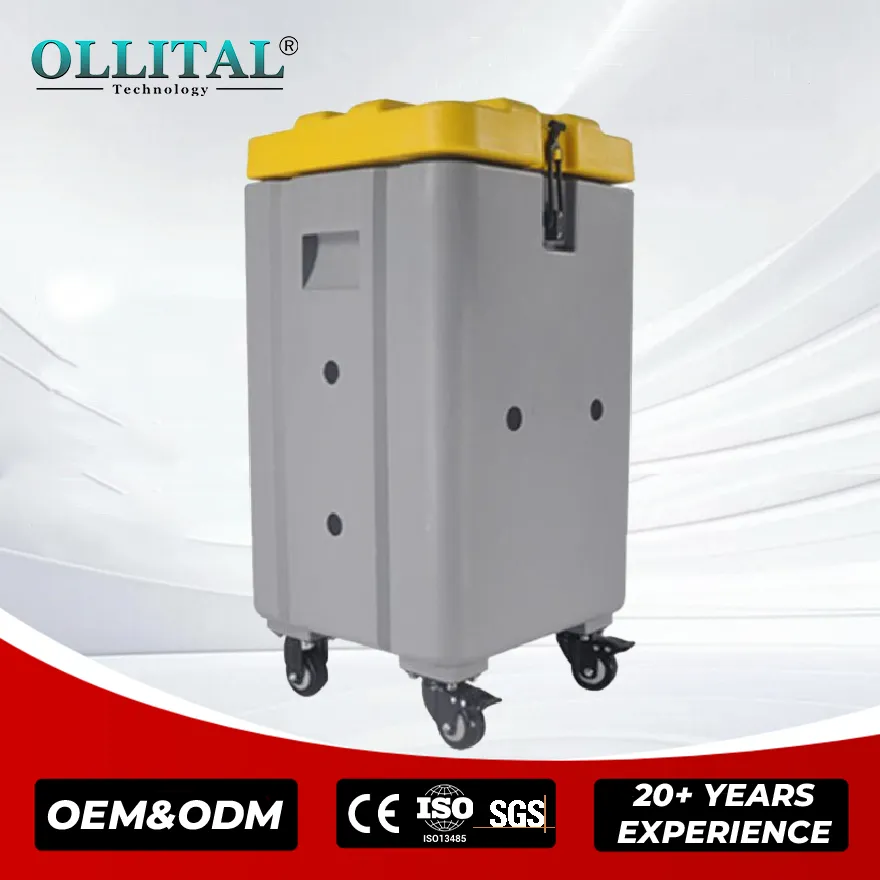
The final product is collected in a chamber or conveyor system for immediate packaging or use.
The best dry ice production machines are designed with automated CO2 recycling features and user-friendly controls to ensure safe, efficient, and clean operations.
Common Applications of Dry Ice Production Equipment
Dry ice isn’t just for fog machines and Halloween parties. It’s essential for critical business functions. Here are the top industries using dry ice production machines:
Cold Chain Logistics: On-site dry ice production ensures temperature integrity in pharmaceutical and perishable goods shipping.
Dry Ice Blasting: Industrial facilities use dry ice pellets created by pelletizers for cleaning machinery without water or chemicals.
Food & Beverage: Packaging lines use dry ice blocks to preserve seafood, meat, and frozen goods.
Medical & Biological Research: Laboratories rely on small dry ice production machines for preserving biological samples.
Manufacturing Plants: In-house dry ice generation cuts reliance on third-party suppliers and supports on-demand usage.
Dry Ice Production Machine Price in 2025
When researching dry ice production machine price, expect to see a wide range based on production capacity, automation level, and machine build quality.
| Type | Typical Production Rate | Price Range (USD) |
|---|---|---|
| Small Dry Ice Production Machine | 30–80 kg/h | $7,000–$9,000 |
| Portable Dry Ice Production Machine | 80–150 kg/h | $1,000–$15,000 |
| Industrial Dry Ice Production Machine | 200–1000 kg/h | $15,000–$30,000 |
For businesses starting out, a portable dry ice production machine strikes the best balance between affordability and productivity. For larger operations like logistics hubs or dry ice cleaning facilities, investing in an industrial dry ice manufacturing system will provide better ROI.
Benefits of Owning a Dry Ice Production Machine
Instead of buying dry ice from a third-party supplier, here’s why companies across North America are investing in their own dry ice production equipment:
Cost Savings: Long-term savings from bulk CO2 and no need to pay premiums on delivery.
On-Demand Supply: Produce dry ice exactly when you need it, reducing waste and shrinkage.
Better Quality: Freshly made dry ice is denser, colder, and lasts longer than stored or transported options.
Customization: Choose your dry ice size and shape based on industry-specific needs—pellets for blasting, blocks for shipping, slices for medical use.
Eco-Conscious Operations: Machines now come with CO2 recycling options, minimizing environmental impact.
Key Features to Look For in 2025
When evaluating a dry ice pelletizer and production machine, here are the most critical factors to consider:
Production Rate (kg/hr or lbs/hr)
Cooling System Efficiency
Automation & Control Panel Features
CO2 Conversion Efficiency
Safety & Emergency Shutoff Mechanisms
Ease of Maintenance
Support for Different Output Forms (pellets, blocks, slices)
A quality dry ice maker industrial system will offer flexible operation, modular design, and seamless integration into your existing facility.
Where to Buy a Dry Ice Production Machine?
You can source your machine from several global dry ice production equipment suppliers, but it’s important to choose a trusted manufacturer that offers after-sales service, training, and warranty.
Look for suppliers that provide:
Remote commissioning and video setup support
Parts availability and local service options
Custom configuration for your industry
Proven case studies and satisfied client reviews
Need help selecting the right machine? Contact our team at OLLITAL for a free consultation—we’ve helped hundreds of clients in food logistics, dry ice blasting, and pharmaceuticals make the switch.
Is It Worth It? ROI Considerations
Buying a dry ice production machine for sale might seem like a big upfront investment—but the payback can be rapid. Let’s break it down:
Savings on Dry Ice Purchases: Companies can save 30–50% monthly by producing in-house.
Reduced Downtime: No more waiting for deliveries or shortages.
Value Added: You can even sell excess dry ice locally.
Brand Advantage: Especially in food or medical sectors, in-house dry ice means fresher goods and better quality control.
Final Thoughts
A dry ice production machine is more than just a tool—it’s a strategic asset for any operation that relies on temperature control, non-abrasive cleaning, or high-volume shipping. Whether you opt for a small dry ice production machine or invest in an industrial CO2 to dry ice system, the benefits are clear: cost savings, supply independence, and improved product quality.
If you’re looking for reliable, high-efficiency dry ice equipment, reach out to us today. Our engineers will help you select the ideal system tailored to your business needs.
Call Us: +86 159 6082 1529
Email: [email protected]
Website: www.ollitaldryice.com
|
|