





My name is Mike Lawson, and I run a mid-sized auto detailing and restoration shop in Phoenix, Arizona. After years of battling with traditional degreasers, brushes, and pressure washers, I finally decided to upgrade my process. That’s when I discovered OLLITAL’s P8S Dry Ice Cleaning Machine, a versatile dry ice blasting system designed for both industrial and delicate automotive work. What started as a skeptical trial turned into one of the smartest investments I’ve made for my business.
I’ve been in the auto repair and detailing business for over a decade, and I’ve seen firsthand how every new technology promises to make our jobs faster, cleaner, or safer—only to fall short when pushed to the limit. That is, until I discovered dry ice blasting. If you’re on the fence about adding a dry ice cleaning machine to your shop, here are ten surprising insights I’ve gathered after integrating CO₂ blasting into my workflow. By the end, you’ll understand why it’s become my go‑to for everything from engine bay makeovers to undercarriage degreasing—and why I believe it should be yours, too.
1. It Handles the Dirtiest Jobs… Without Harming Your Tools
Last winter, a diesel pickup rolled into my bay caked in six months of oil, road salt, and grime. I braced myself for hours of chemical degreaser and elbow grease, but instead I grabbed my portable dry ice blasting machine. Within 45 minutes, the undercarriage looked brand-new, and my pressure washer nozzle—and my favorite brush—were untouched. The cold CO₂ pellets froze and blasted away stubborn buildup without scratching steel or chewing up hoses.
2. Zero Water Warping Means Zero Downtime
I used to cringe whenever I needed to steam-clean turbochargers or wiring harnesses—one stray drop of water and I’d spend another hour drying and testing sensors. With a dry ice blaster, I simply spray, watch the CO₂ pellets sublimate into harmless vapor, and move on. No waiting. No torn-open connectors. Just a bone‑dry, gleaming engine bay ready to run, instantly.
3. It’s Surprisingly Gentle on Paint and Plastic
One of my shop’s busiest clients is a high-end exotic car dealer. They demand spotless engine compartments but can’t tolerate scuffs or pressure‑washer chips in the painted bodywork. I tested a small‑output dry ice blasting nozzle on a leftover bumper panel and was floored: the finish stayed flawless, yet every speck of grease vanished. Now I offer “dry ice detailing” as a premium service—and watch clients’ eyes light up.
4. You Can Save Hundreds on Chemicals
Before CO₂ blasting, I was ordering drums of solvent degreaser monthly—and hauling away hazardous waste twice a week. Since switching, my only consumable is dry ice pellets. I still buy a little brake cleaner for stubborn spots, but overall my shop’s chemical spend dropped by over 80%. Even better, I cut my hazardous‑waste disposal bill in half almost overnight.
|
|


5. It Breathes New Life into Classic Cars
I recently restored a ’69 Mustang for a customer who insisted on preserving every last bit of patina. Traditional sandblasting was out of the question. Instead, I used a fine‑pressure dry ice blaster to clear decades of oil and road crud from the original valve covers and inner fender wells. The result was impeccable—no harm to the aged paint or metal, and the owner couldn’t stop smiling when he fired it up.
6. It’s a Green Cleaning Powerhouse
One of the biggest surprises for me was how eco‑friendly CO₂ blasting really is. Dry ice is often made from reclaimed CO₂ captured during other industrial processes—so you’re not burning extra fossil fuel. There’s no wastewater, no toxic runoff, and zero secondary cleanup. My shop won a local “Green Business” award last year, purely because we eliminated chemical degreasers and saved thousands of gallons of water.
7. Even Electric Vehicle Service Needs It
When EVs entered my bay, I worried about cleaning around massive battery packs and sensitive electronics. Pressure washers and solvents were off the table. But dry ice blasting turned out to be the perfect solution for removing brake dust, road tar, and underbody grime without risking shorts or corrosion. I’ve since added “dry ice EV undercarriage cleaning” to my service menu—and it’s in high demand.
8. You Learn Neat Tricks with Nozzle Selection
I’ve tried every nozzle type under the sun. A wide‑fan nozzle is perfect for sweeping a transmission housing clean, while a precision cone nozzle gets into tight spots around thermostat housings and sensor ports. I even taught a junior tech how to switch tips on the fly, cutting his cleaning time in half while tightening up his attention to detail. If you invest in a quality automotive dry ice blaster, make sure to grab a nozzle assortment kit—you’ll thank me later.
9. Training Is Easier Than You’d Think
I was braced for a week‑long training seminar when I first bought my unit, but the learning curve turned out to be shockingly shallow. A quick safety briefing, a 30‑minute demo, and my crew was blasting away confidently. Within two days, even our newest hires were cleaning engine blocks and wheel wells without setbacks. Because it’s non‑abrasive and leaves no residue, there’s far less risk of accidental damage compared to high‑pressure washers or grinders.
10. It Opens Doors to New Revenue Streams
Since adding dry ice services, my shop has seen a noticeable uptick in high‑margin detailing and fleet maintenance contracts. Local trucking companies pay extra for a chemical‑free undercarriage scrub, and performance builders request dry ice prep before engine coatings or dyno testing. If you’re looking to diversify beyond basic oil changes and brake jobs, dry ice cleaning can be your ticket to higher‑value work.
Getting Started: My Top Tips for Shop Owners
Match Your Machine to Your Needs
For tight engine bays and interior trims, a mini or mid‑sized dry ice cleaning machine works wonders. If you’re tackling large fleets or heavy‑duty degreasing, step up to a higher‑capacity unit with an integrated pellet hopper.Secure a Reliable Pellet Supply
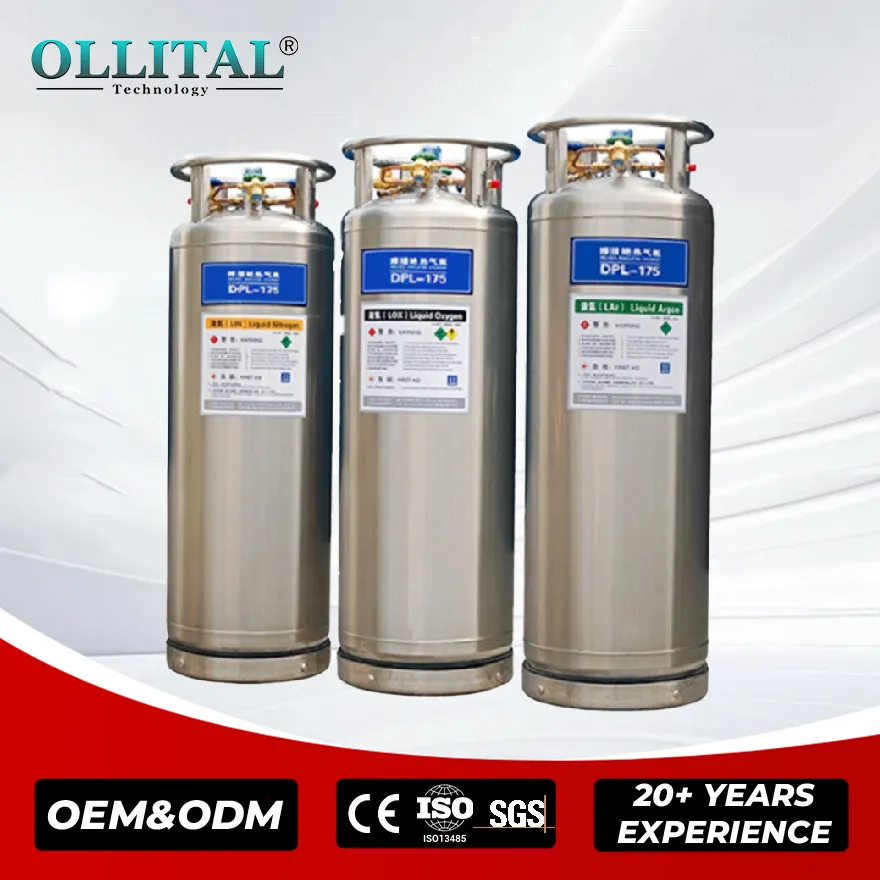
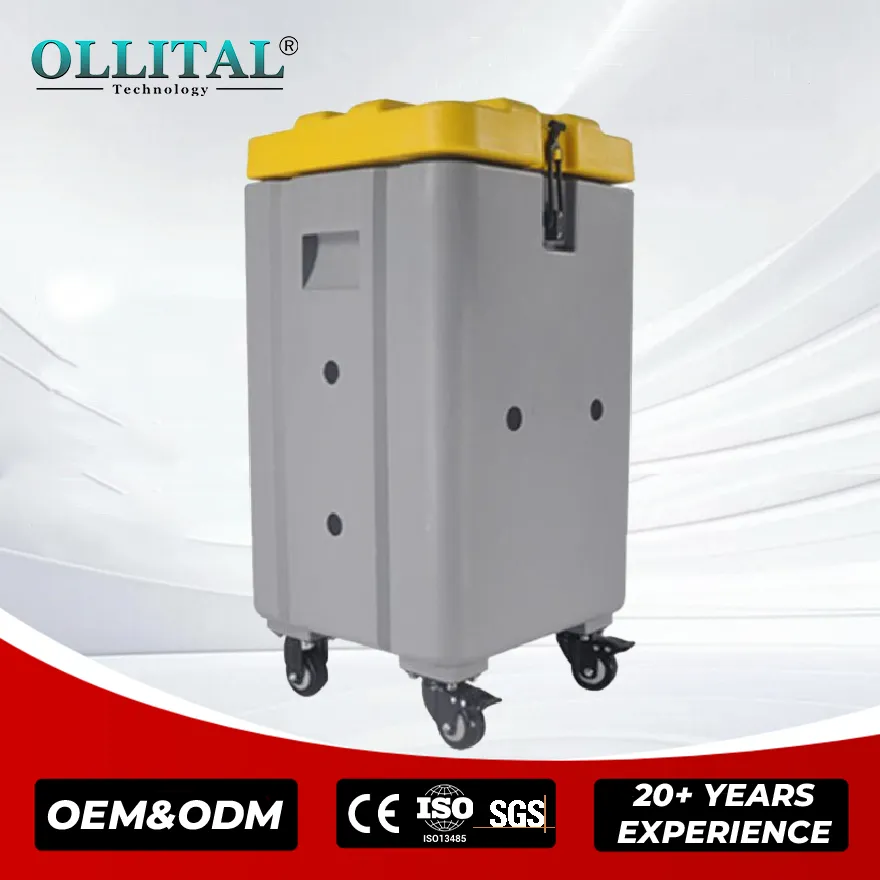
I recommend partnering with a local CO₂ supplier or investing in an in‑house dry ice production machine. Fresh‑made pellets pack more cleaning power and save you from downtime.Invest in Quality Nozzles
Grab a set of interchangeable wands: wide‑fan for broad sweeps, precision cone for crevices, and flared tips for general cleaning.Market It Loudly
Promote “eco‑friendly dry ice engine cleaning” on your website, social media, and in‑shop signage. Customers love the buzzword “dry ice detailing,” and you’ll stand out from shops still stuck with old‑school scrubbing.Train Your Team
A quick in‑house demo goes a long way. Show techs how to adjust pressure settings and pellet feed rates to handle everything from stubborn carbon to light grease.
Switching to dry ice blasting was one of the best moves I’ve made as a shop owner. It’s safe, chemical‑free, and fast—and it helps me deliver standout service that keeps customers coming back. If you’re ready to revolutionize your workflow, I can’t recommend this technology enough. Give it a shot, and you might find yourself wondering how you ever got by without it.
If you’re running an auto shop, restoration service, or detailing center like mine, I highly recommend exploring OLLITAL’s range of dry ice blasting equipment. From compact, portable machines to heavy-duty industrial models, they offer reliable, eco-friendly cleaning solutions tailored to real shop conditions. The support team was incredibly responsive, the machine was easy to learn, and most importantly—it delivers results that customers notice.
Ready to level up your cleaning game? Visit OLLITAL today and experience the difference that professional dry ice technology makes.
Call: +86 159 6082 1529
Web: www.ollitaldrycie.com
Email: [email protected]