



For companies considering on-site dry ice production, the question is rarely just “How much does the machine cost?” The more useful question is: “What will one kilogram of usable dry ice actually cost us to produce?” That figure depends on several operating inputs, especially liquid CO₂ consumption, conversion efficiency, electricity, labor, maintenance, and the amount of dry ice lost during storage and handling.
There is no single universal cost per kilogram because liquid CO₂ and electricity prices vary by region, labor costs differ from site to site, and the same machine can produce different economics depending on how steadily it is operated. A realistic cost model therefore starts with the full production system rather than a fixed market price. For planning purposes, the most important task is to identify which costs are variable, which are fixed, and how much usable dry ice leaves the process after production and storage.
What Makes Up the Cost of Producing Dry Ice?
Dry ice production converts pressurized liquid carbon dioxide into solid CO₂. Part of the incoming liquid becomes dry ice snow and is compressed into pellets or other forms, while another part becomes gas during pressure reduction. Because of this, raw-material efficiency has a direct effect on production cost. But raw material is only one part of the total.

The main cost components are liquid CO₂, electricity, labor, maintenance, and storage or handling loss.
| Cost Component | How It Enters the Cost Model | What Usually Changes It |
|---|---|---|
| Liquid CO₂ | Raw material consumed to form dry ice | Local CO₂ price, conversion efficiency, supply stability |
| Electricity | Power used by the production machine and auxiliaries | Machine size, run time, utilization, local tariff |
| Labor | Operator setup, monitoring, handling and packing | Automation level, shift pattern, local labor cost |
| Maintenance | Routine service, wear items and planned upkeep | Operating hours, maintenance practice, spare parts |
| Storage & Handling | Loss between production and final use | Holding time, insulation, transfer distance, ambient conditions |
Liquid CO₂ Is Usually the Most Important Variable Cost
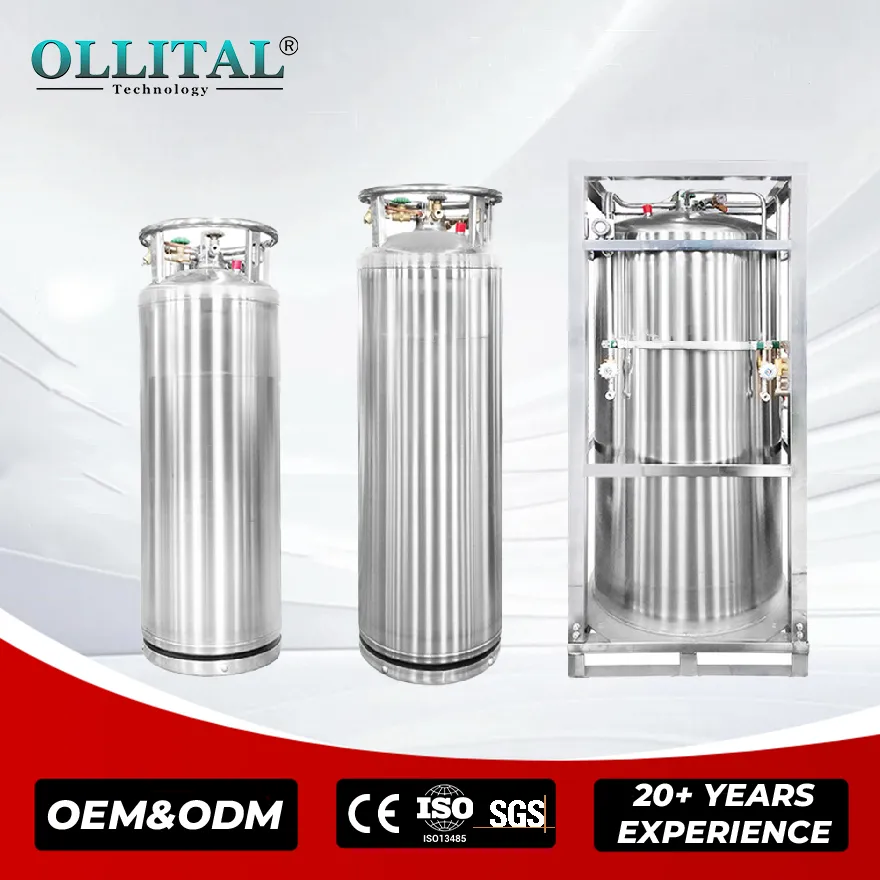
In most dry ice production calculations, liquid CO₂ deserves the closest attention because it is the main consumable entering the process. The amount needed depends on the liquid-to-solid conversion ratio and the actual operating condition of the selected machine. OLLITAL’s 250KG/H dry ice pellet production machine is currently listed with a liquid-solid CO₂ conversion ratio of ≥42%. That specification is a useful planning reference, but the real result should still be confirmed for the installed system and operating condition.
A simple raw-material planning formula is: Liquid CO₂ cost per kg of dry ice = liquid CO₂ required per kg × local liquid CO₂ price. If the conversion ratio improves, less liquid CO₂ is required for the same solid dry ice output. If conversion efficiency falls, raw-material cost per kilogram rises.
If you need to calculate the input side in more detail, see How Much Liquid CO₂ Is Needed to Produce Dry Ice?. That calculation is the foundation for a realistic production-cost model because the cost of raw material cannot be separated from the conversion ratio.
Electricity Cost: Use the Machine Data, Not a Generic Number
Electricity is easier to calculate than raw-material consumption, but it is still important to distinguish nameplate power from measured energy use. The installed power tells you the maximum or rated electrical requirement of the equipment; it does not automatically mean the machine consumes that exact amount at every moment of operation.
For example, the current OLLITAL 250 kg/h model lists 11 kW total power. A simple planning model can multiply the expected operating hours by the local electricity tariff, but a precise operating-cost calculation should use measured or confirmed consumption under the intended production condition.
Electricity cost per kilogram usually becomes more favorable when the machine runs closer to an appropriate production load. Frequent short runs, repeated startup periods or long idle intervals can increase the effective energy cost allocated to each kilogram of usable dry ice.
Labor Cost Depends on How the Production Line Is Operated
Labor is often underestimated because the operator may not stand beside the machine continuously. Even with automated controls, somebody normally needs to prepare the system, check operating status, move or package the dry ice, coordinate storage, monitor the CO₂ supply and handle routine cleaning or maintenance.
For a realistic calculation, estimate the actual labor time connected to each production shift rather than simply assigning the full cost of one employee to the machine. A larger production system may produce more kilograms with similar supervision time, which can reduce labor cost per kilogram. The opposite can happen when a small machine is operated in many short batches with frequent handling.
Maintenance Is a Small Line Item Until It Is Ignored
Routine maintenance, consumable wear parts and planned service should be included in long-term cost calculations. These costs may appear small compared with liquid CO₂, but ignoring them can make an ROI model look artificially attractive. More importantly, poor maintenance can reduce production stability, increase downtime and indirectly raise both labor and raw-material cost.
A practical model can allocate annual or expected maintenance expenditure across the number of kilograms produced during the same period. This converts maintenance into a cost-per-kilogram figure that can be compared with other operating expenses.
Storage and Handling Loss Changes the Cost of Usable Dry Ice
Dry ice sublimates continuously. That means the amount leaving the production machine is not always the same as the amount eventually used by the application. If pellets are transferred across the plant, held before use, packed for delivery or stored for a longer period, some material will be lost as CO₂ gas.
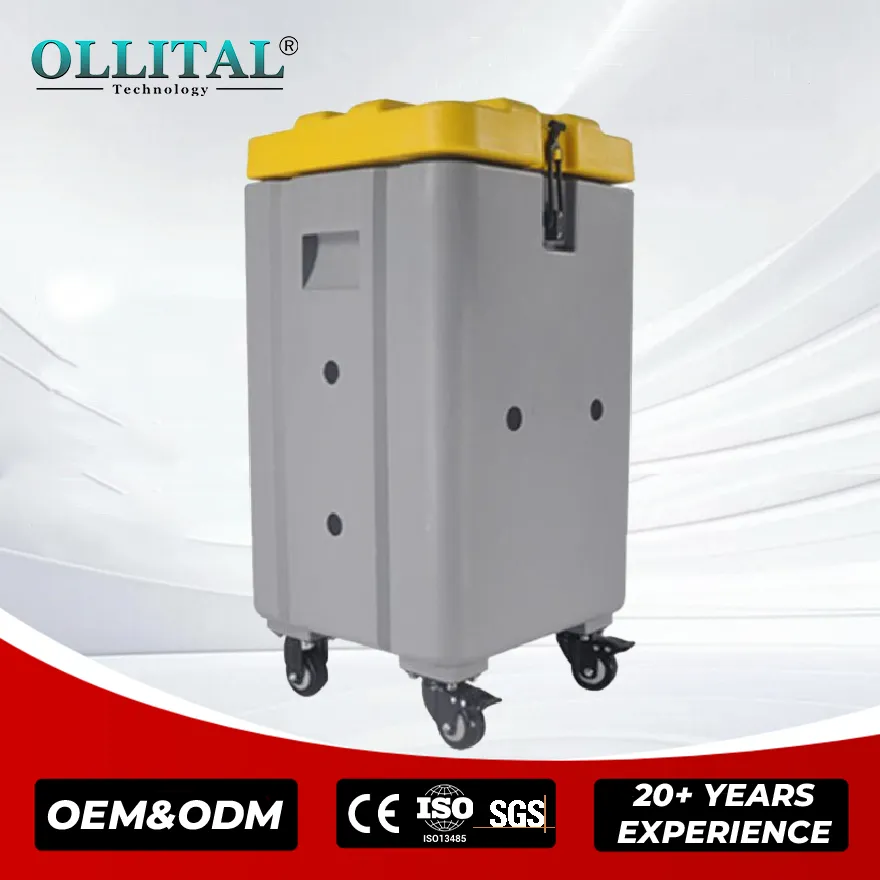
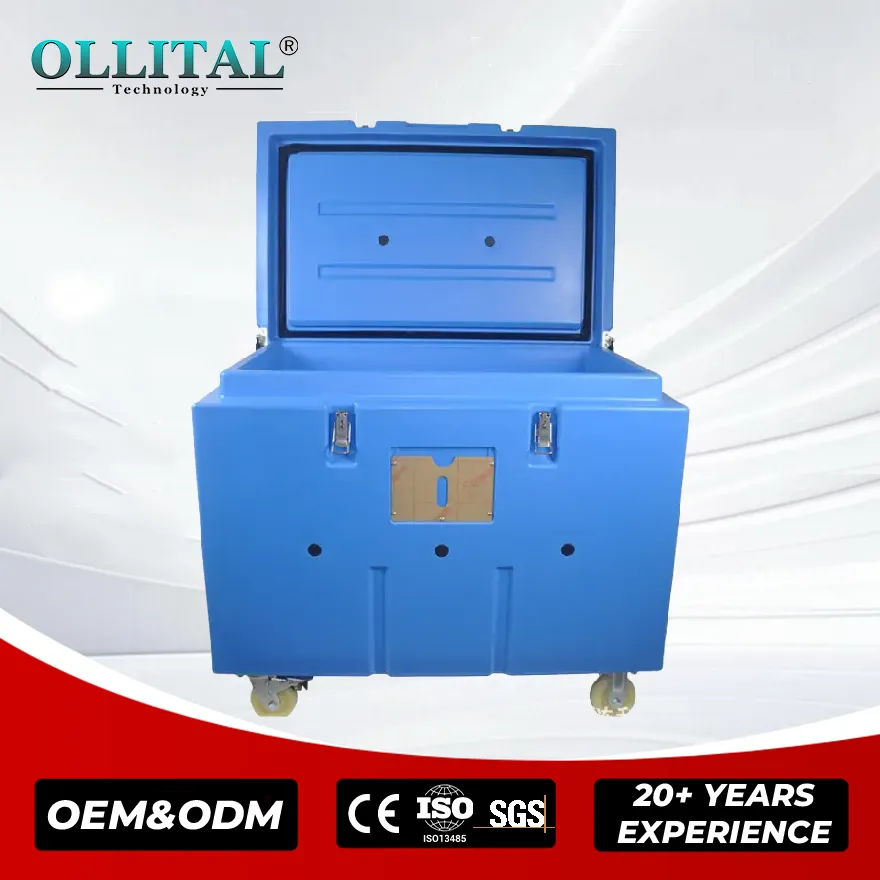
This is why cost should be calculated against usable dry ice output, not only rated machine output. An insulated dry ice storage box can reduce heat transfer and make handling easier, but it does not eliminate sublimation. The longer the delay between production and use, the more important this factor becomes.
How to Calculate Dry Ice Production Cost Per Kilogram

A practical cost model divides all production-related costs by the actual usable dry ice output.
Cost per kilogram = Total production cost ÷ Usable dry ice output
The numerator should include the costs that genuinely belong to the production process: liquid CO₂, electricity, labor, maintenance and any handling or storage cost you choose to allocate. The denominator should be the amount of dry ice that is actually available for use or sale after production and handling.
This formula makes it easier to compare different machine sizes and operating strategies. A higher-capacity machine may have a higher purchase price but a lower labor or overhead cost per kilogram when utilization is strong. A smaller machine may be more economical when demand is limited because it avoids unnecessary capital and underutilized capacity.
A Planning Example Using OLLITAL’s 250 kg/h Model
A cost model becomes more useful when it is tied to real equipment data. The OLLITAL 250 kg/h production machine can be used as a reference example because its current product page provides both rated output and basic operating specifications.
| Reference Item | Current Listed Value |
|---|---|
| Rated dry ice output | 250 kg/h |
| Total power | 11 kW |
| Liquid-solid CO₂ conversion ratio | ≥42% |
| Dry ice pellet specifications | Φ3 mm, Φ16 mm |
These values are not a complete cost calculation because they do not include your local CO₂ price, electricity tariff, labor rate, maintenance budget or storage conditions. They do, however, provide the structure needed to build one. The next step is to insert your own local prices and operating hours rather than copying a generic industry cost figure.
What Raises or Lowers the Cost Per Kilogram?

Conversion efficiency, machine utilization, operating hours, local CO₂ price, storage time and production scale all influence real cost.
The most important point is that dry ice production cost is not fixed by the machine alone. Two users with the same equipment can end up with different costs because the machines are operated differently and because local utility and raw-material prices are different.
• Conversion efficiency: Higher liquid-to-solid conversion generally reduces the amount of purchased liquid CO₂ required for the same dry ice output.
• Machine utilization: A machine that operates at a sensible production load can spread labor and fixed costs across more kilograms of output.
• Operating stability: Stable production runs can be easier to manage than repeated short start-stop cycles.
• Local liquid CO₂ price: Regional supply contracts, delivery distance and purchasing volume can materially affect raw-material cost.
• Storage time: Longer holding periods increase the chance that a larger share of produced dry ice is lost before use.
• Production scale: Larger output can reduce some costs per kilogram, but only when there is real demand for that capacity.
Why the Cheapest Machine Is Not Always the Lowest-Cost Producer
When buyers compare dry ice production equipment, it is easy to focus on purchase price because it is visible and immediate. Operating cost is less obvious, but over time it can matter much more. A lower-priced machine that consumes more liquid CO₂, needs more operator attention, produces unstable output or requires frequent downtime can become more expensive on a per-kilogram basis.
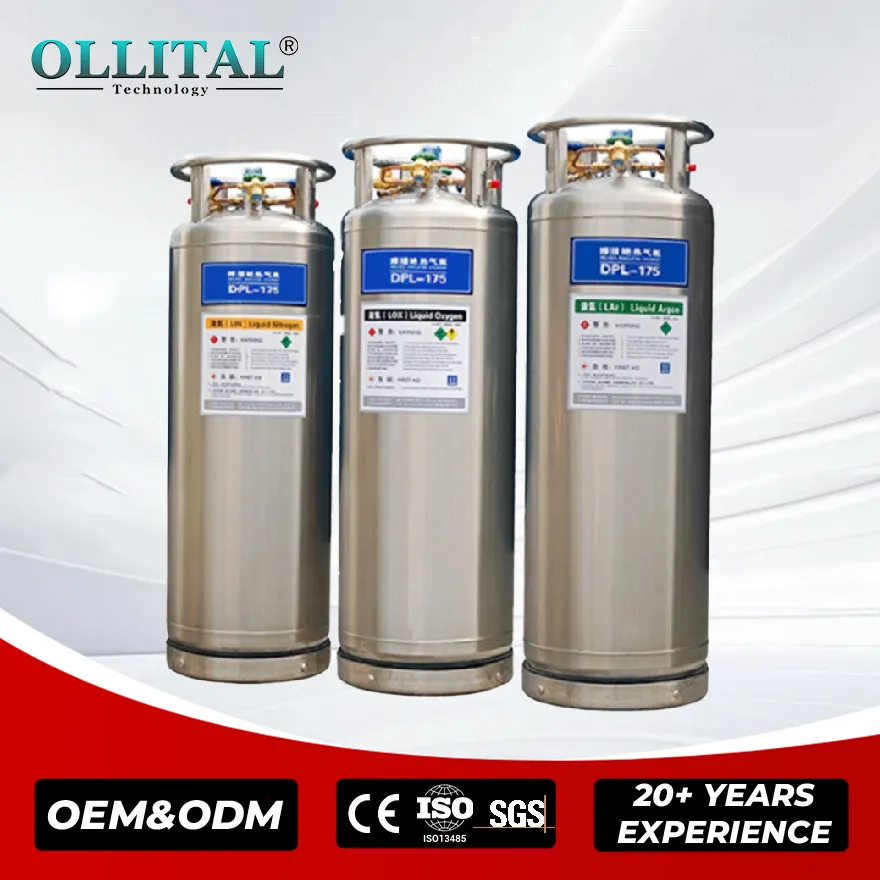
The better approach is to compare equipment based on the complete production chain. That includes the dry ice production machine, the upstream liquid CO₂ storage system, the expected production schedule, and how quickly the dry ice will be used after it is produced.
On-Site Production vs Buying Dry Ice
A cost-per-kilogram calculation is especially valuable when deciding whether to produce dry ice on-site or continue buying it from an external supplier. Purchased dry ice may appear simple because the supplier handles production, but the delivered price can include packaging, transport, scheduling and losses before the product reaches your facility.
On-site production adds equipment, CO₂ storage and operating responsibilities, but it can also reduce dependence on delivery schedules and allow dry ice to be produced closer to the time of use. Whether that is economically attractive depends on demand volume, local liquid CO₂ pricing, machine utilization and the cost of externally supplied dry ice.
For industrial cleaning operations, this comparison is closely connected with the broader production system described in Dry Ice Production Machine for Industrial Cleaning: Process, Capacity and On-Site Supply.
A Simple Cost-Planning Checklist
• Local delivered price of liquid CO₂
• Expected liquid-to-solid conversion ratio
• Target dry ice output per hour, shift and day
• Available production hours
• Machine total power and expected operating load
• Local electricity tariff
• Operator time per shift
• Routine maintenance and spare-part budget
• Expected storage and handling time
• Amount of usable dry ice after storage
• Current delivered dry ice purchase price for comparison
FAQ
How do I calculate dry ice production cost per kilogram?
Add the production-related costs for the period you are measuring, including liquid CO₂, electricity, labor, maintenance and relevant storage or handling cost, then divide that total by the usable kilograms of dry ice produced.
Is liquid CO₂ the biggest production cost?
It is often one of the most important variable costs because it is the main raw material. The exact share depends on your local CO₂ price, machine conversion efficiency and the other operating costs at your site.
Does a larger dry ice machine always reduce cost per kilogram?
No. Larger capacity can lower some unit costs when demand and utilization are high, but an oversized machine can be uneconomical if it runs infrequently or the upstream CO₂ supply and downstream demand do not justify the capacity.
How does storage loss affect production cost?
If part of the produced dry ice sublimates before use, the effective cost of each usable kilogram increases because the same production expense is spread across fewer usable kilograms.
Can I calculate electricity cost from the machine’s rated power?
Rated power is useful for planning, but it is not the same as measured energy consumption. A more precise cost model should use actual or confirmed operating consumption under the intended production condition.
Is on-site dry ice production always cheaper than buying dry ice?
No. It depends on demand, local liquid CO₂ price, delivery cost, equipment utilization, labor, electricity and storage losses. A side-by-side cost model is the best way to compare the two options.
Conclusion
Dry ice production cost per kilogram is not a single industry number. It is the result of your raw-material price, conversion efficiency, machine utilization, electricity, labor, maintenance and the amount of dry ice that remains usable after storage and handling. The most accurate approach is to build the calculation from your own operating data rather than relying on a generic price estimate.
If you are evaluating a new production line, start by matching your demand with the appropriate OLLITAL dry ice production machine range and then size the liquid CO₂ supply, operating schedule and storage arrangement around that demand. This provides a much stronger basis for comparing equipment, estimating ROI and deciding whether on-site production makes sense for your operation.
| Need help estimating dry ice production cost for your site?Share your target output, operating hours, local liquid CO₂ conditions and intended application, and OLLITAL can help you evaluate a suitable production setup. |
|---|